Text



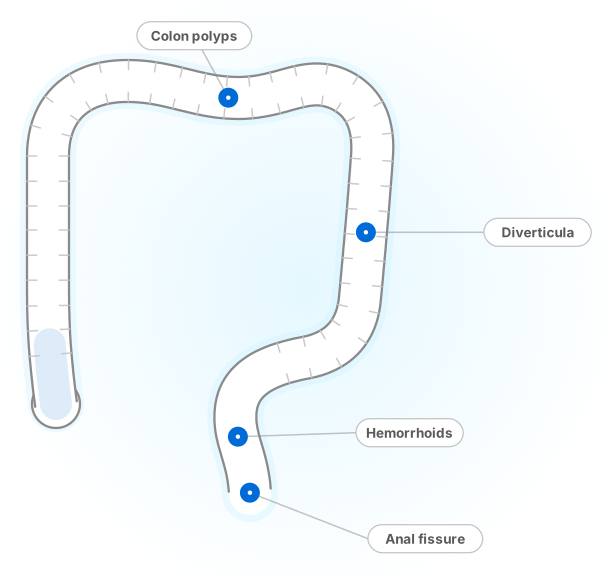

Noticing blood in your stool can be alarming, especially when there is no underlying pain. While minor issues can sometimes cause painless rectal bleeding, it should never be ignored. In some cases, it may signal an underlying digestive condition that requires medical evaluation. The gastroenterologists at NYGA are here to explain what painless gastrointestinal (GI) bleeding may mean and when it’s time to seek care.
Is blood in the stool ever normal?
Blood in the stool is not considered normal, even if it occurs without discomfort. While certain foods or medications can sometimes change stool color, true bleeding always warrants attention. Painless bleeding may feel less urgent, but it can still indicate conditions that need diagnosis and treatment.
What stool color can reveal
The color of blood in the stool often provides clues about where bleeding is occurring in the digestive tract. Bright red blood typically comes from the lower GI tract, while darker blood may originate higher up.
Bright Red vs. Dark Blood: Why Color Matters
Bright red
Comes from the rectum or lower colon. Often benign, but persistent bleeding still needs to be looked at to rule out polyps or cancer.
Dark or tarry
Bleeding higher up, in the stomach or small intestine, digested on the way down. Always needs prompt medical attention, pain or no pain.
What bright red blood usually indicates
Bright red blood in the toilet or on toilet paper often comes from the rectum or lower colon. Common causes include hemorrhoids, anal fissures, or diverticular bleeding. These conditions may bleed without causing pain, particularly internal hemorrhoids, which are not sensitive to touch.
While these causes are often benign, persistent bright red bleeding should still be evaluated to rule out more serious issues like colon polyps or colorectal cancer.

Internal hemorrhoids are the most common cause of painless bright red bleeding. Read about hemorrhoids and how they are treated, including HemWell™ and infrared coagulation.
What dark or tarry stools may mean
Dark, black, or tarry stools suggest bleeding higher in the digestive tract, such as the stomach or small intestine. This type of bleeding is often associated with peptic ulcers, gastritis, or other upper GI conditions. Because the blood has been digested, stools appear darker and usually have a strong odor. Dark stools always require immediate medical attention, even if there is no pain.
When Painless Rectal Bleeding Is a Warning Sign
Painless bleeding may feel less concerning, but certain features make it more serious. Bleeding that occurs repeatedly, increases in amount, or is accompanied by changes in bowel habits, unexplained weight loss, fatigue, or anemia should be evaluated right away.
In some cases, painless bleeding can be an early sign of colorectal cancer or inflammatory bowel disease (IBD). Early detection plays a critical role in successful treatment.
How Blood in the Stool Is Evaluated
Evaluation begins with a thorough medical history and physical exam. Your gastroenterologist will ask about stool color, bleeding frequency, bowel habits, medications, and family history. Diagnostic testing may include:
Next Steps if You Notice Blood in Your Stool
At NYGA, our gastroenterologists provide comprehensive diagnostic testing and personalized treatment for blood in the stool. Whether the cause is benign or more serious, early evaluation can offer peace of mind and protect your long-term digestive health.
Don’t wait—prioritize your health today.