


Colon Polyps
Conditions
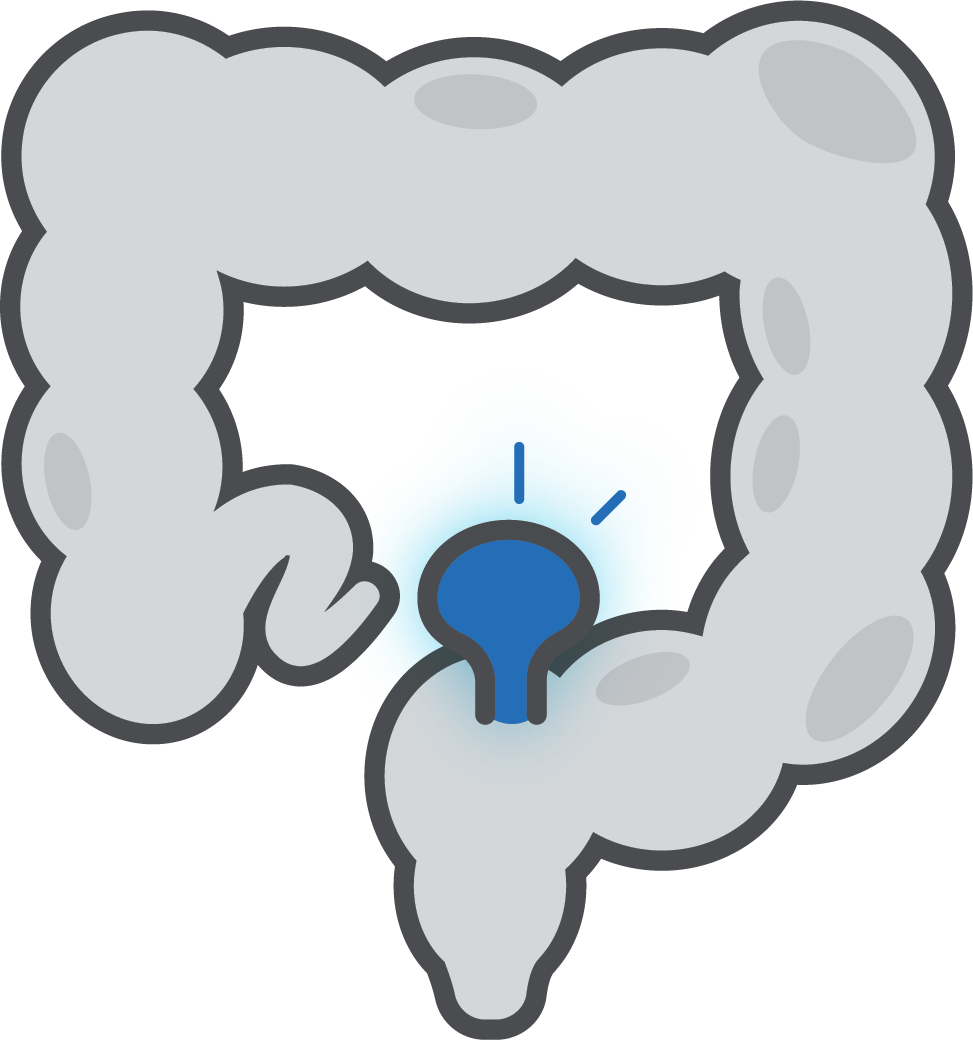
Colon polyps are growths found on the inner lining of the bowel that may grow slowly over time and potentially turn cancerous if left untreated. These polyps are detectable via exams such as colonoscopies.
There are different types of polyps. Adenomas are the most common precancerous polyps, looking like bumps or hanging off stalks. Some polyps, called "SSAs," are flat and harder to spot. Others, termed "hyperplastic," generally do not have cancer potential. Polyps vary in size from tiny (a few millimeters) to over five centimeters.
Colon polyps typically don't produce any symptoms on their own. This is why regular screenings are so important as they help catch polyps before they become problematic. Symptoms, if present, might indicate a more advanced stage and could include changes in bowel habits, blood in stool, or abdominal discomfort.
Detecting and removing polyps early is crucial. Regular colon cancer screenings are recommended starting at age 45. These can identify polyps before symptoms arise and allow your doctor to remove them, thereby preventing progression.
Polyps are removed from the colon to prevent potential risks. Polyp removal during a colonoscopy is generally safe. There might be a small risk of bleeding or injury to the colon wall, particularly with larger polyps. However, patients usually don't experience significant after-effects. Advances in techniques have minimized the need for traditional surgical approaches.
Polyps that are removed are sent to a pathology lab for analysis. Based on the results, your doctor will recommend appropriate follow-up. This might involve future colonoscopies at specific intervals or additional testing, like imaging studies or blood tests, to ensure complete removal.
Frequently Asked Questions
What is a colonoscopy?
A colonoscopy is a procedure that allows a gastroenterologist to examine the inside of the colon (large intestine) using a thin, flexible tube and a camera. It is primarily used to screen for colon cancer, detect polyps, and diagnose conditions such as inflammatory bowel disease (IBD) or unexplained digestive symptoms.
How long does a colonoscopy take?
A colonoscopy typically takes about 30 to 60 minutes. However, you should plan to be at the facility for at least two to three hours to allow time for check-in, preparation, and recovery from sedation.
How to prepare for a colonoscopy?
Proper preparation is key to a successful colonoscopy. This includes adjusting your diet a few days before and taking a prescribed bowel preparation (laxative) to cleanse your colon thoroughly. Your doctor will provide additional instructions based on your medical history and needs.
What can you not eat five days before a colonoscopy?
Five days before your colonoscopy, you should avoid high-fiber foods such as raw vegetables, seeds, nuts, whole grains, and tough meats. These can be harder to fully clear from the colon. Your doctor may provide a detailed diet plan, typically switching to low-fiber foods and a clear liquid diet before the procedure.
Does a colonoscopy hurt?
A colonoscopy is not painful; most patients receive sedation to ensure comfort. Some may experience mild bloating or cramping afterward due to the air used to inflate the colon during the procedure, but this typically resolves quickly.
What happens during a colonoscopy?
During a colonoscopy, a sedated patient lies on their side while a gastroenterologist inserts a thin, flexible tube (colonoscope) into the rectum. The colonoscope has a small camera that transmits images to a monitor, allowing the doctor to examine the colon for abnormalities. If polyps or suspicious tissue are found, they can be removed or biopsied. The process generally takes less than an hour, and patients recover briefly before going home.