


What is a Screening Colonoscopy?
Blog
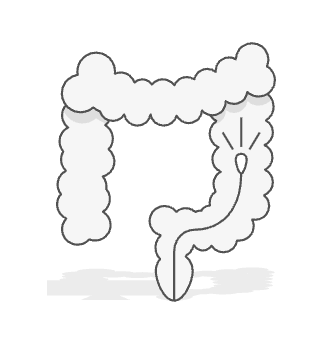
Did you know that colon cancer is the third most common cancer worldwide, accounting for approximately 10% of all cancer cases? Fortunately, the number one way to prevent colon cancer is getting a screening colonoscopy – a simple and painless procedure that is covered by most insurance.
Undergoing a colonoscopy is a vital step for proactively safeguarding health, as it allows for the early detection and prevention of colorectal cancer as well as other potential gastrointestinal issues.
Understanding the procedure
A screening colonoscopy is a medical procedure designed to examine the colon and rectum for any abnormalities, including polyps and early signs of colorectal cancer. It involves using a long, flexible tube called a colonoscope, equipped with a camera, to explore the entire length of the colon. During a screening colonoscopy, your doctor will assess your colon health and remove growths (polyps) before they become cancerous.
What to expect
A screening colonoscopy is a relatively straightforward procedure performed on an outpatient basis. Preparation involves being on a low-fiber diet for a few days and taking a bowel preparation the night before. On the day of the procedure, patients are given sedation to ensure comfort throughout the process. The colonoscope is gently inserted through the rectum, allowing the doctor to examine the entire colon. The whole procedure typically only takes about 30 minutes to an hour. Because of the anesthesia, you will need someone to accompany you home.
Benefits of a screening colonoscopy
Benefits of a screening colonoscopy include early cancer detection, polyp removal (a preventative measure), and additional benefits like HemWell™ and gastrointestinal symptom diagnosis.
Early cancer detection and polyp removal
Unfortunately, colon cancer rates are rising. A screening colonoscopy plays a pivotal role in identifying and removing precancerous growths or polyps in the colon before they have the chance to develop into cancer. By detecting abnormalities early, individuals have a significantly higher chance of successful treatment and cure. This proactive approach enhances the chances of survival and reduces the need for more aggressive and invasive treatments. Regular screenings contribute to overall public health by mitigating the impact of colorectal cancer and promoting a better quality of life for individuals.
Hemorrhoid treatment with HemWell™
Screening colonoscopies are sometimes coupled with a hemorrhoid treatment called HemWell™. This state-of-the-art treatment applies an electrical current across the hemorrhoid and causes hemorrhoids to shrink over time. It’s painless, requires no additional downtime, and is usually covered by insurance.
Who needs it and when?
This procedure is typically recommended for individuals aged 45 and above or earlier if there are risk factors or symptoms present. If the exam is completely normal, there will be no need for a repeat exam within the next 10 years for most average risk patients.
“The number one way to prevent colon cancer is to get screening colonoscopies. I encourage patients to talk with their families about history because the average person should get a colonoscopy at age 45, but if they have any family history of colon cancer or any other high-risk features or symptoms, they may need a colonoscopy sooner.” — Laura Frado, MD, Gastroenterology.
Visit New York Gastroenterology Associates today to learn more about our screening colonoscopy services and take the first step towards proactive digestive healthcare. Your well-being is our priority.
Don't wait – prioritize your health today.
Frequently Asked Questions
What is a colonoscopy?
A colonoscopy is a procedure that allows a gastroenterologist to examine the inside of the colon (large intestine) using a thin, flexible tube and a camera. It is primarily used to screen for colon cancer, detect polyps, and diagnose conditions such as inflammatory bowel disease (IBD) or unexplained digestive symptoms.
How long does a colonoscopy take?
A colonoscopy typically takes about 30 to 60 minutes. However, you should plan to be at the facility for at least two to three hours to allow time for check-in, preparation, and recovery from sedation.
How to prepare for a colonoscopy?
Proper preparation is key to a successful colonoscopy. This includes adjusting your diet a few days before and taking a prescribed bowel preparation (laxative) to cleanse your colon thoroughly. Your doctor will provide additional instructions based on your medical history and needs.
What can you not eat five days before a colonoscopy?
Five days before your colonoscopy, you should avoid high-fiber foods such as raw vegetables, seeds, nuts, whole grains, and tough meats. These can be harder to fully clear from the colon. Your doctor may provide a detailed diet plan, typically switching to low-fiber foods and a clear liquid diet before the procedure.
Does a colonoscopy hurt?
A colonoscopy is not painful; most patients receive sedation to ensure comfort. Some may experience mild bloating or cramping afterward due to the air used to inflate the colon during the procedure, but this typically resolves quickly.
What happens during a colonoscopy?
During a colonoscopy, a sedated patient lies on their side while a gastroenterologist inserts a thin, flexible tube (colonoscope) into the rectum. The colonoscope has a small camera that transmits images to a monitor, allowing the doctor to examine the colon for abnormalities. If polyps or suspicious tissue are found, they can be removed or biopsied. The process generally takes less than an hour, and patients recover briefly before going home.