


How to Prepare for a Colonoscopy
Blog
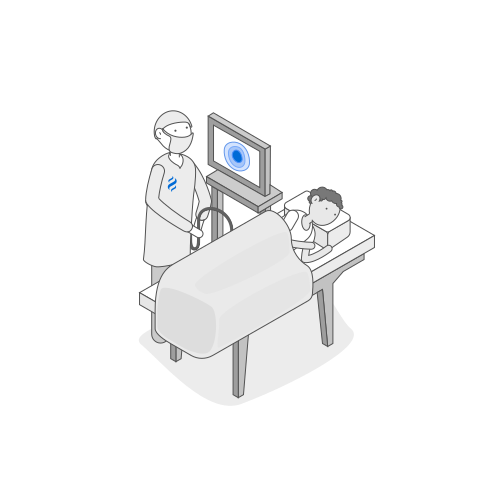
At NYGA, we understand the importance of preventive care, particularly when it comes to colorectal health. Our screening colonoscopy service is a cornerstone of our commitment to proactive healthcare. While the thought of a colonoscopy may seem intimidating, it is actually a quick and standard procedure. Proper preparation is key to ensuring an accurate and comfortable experience. A screening colonoscopy is recommended for all adults over the age of 45, and if normal, is repeated every 10 years. Some patients may need screening started sooner based on your family history of other risk factors. Speak with your doctor or our team to determine when you should get your screening colonoscopy.
In this guide, we'll walk you through the steps to prepare effectively for a colonoscopy, emphasizing the importance of early detection and prevention.
Step 1: Consultation with Your NYGA Physician
Before scheduling your screening colonoscopy with NYGA, you are welcome to consult with one of our experienced board-certified gastroenterologists. They will discuss the procedure in detail, address any concerns you may have, and provide personalized instructions based on your medical history and needs. Our team is dedicated to ensuring your comfort and confidence throughout the process.
Step 2: Understanding the Prep Instructions
You will receive detailed preparation instructions from NYGA upon scheduling your screening colonoscopy. These instructions will typically include dietary restrictions and bowel preparation guidelines. Following these instructions meticulously is crucial for your colonoscopy's success and the results' accuracy.
“Preparing for a colonoscopy these days is much different than it was years ago. We have lots of options to make it palatable and reasonable to get through.” —NYGA Doctors
Step 3: Bowel Preparation for Optimal Results
A thorough bowel preparation is essential for a successful screening colonoscopy. NYGA will provide you with a prescribed laxative solution or pills to cleanse your colon effectively. It's imperative to follow the instructions precisely to ensure that your colon is adequately cleansed, allowing for clear visualization during the procedure.
“We give you an option of different types of laxatives to take, and there are even pill forms out now that don't taste bad. There are now small-volume liquids and even ever-the-counter versions that taste like a sports drink. So, the old school big nasty drug you used to have to drink isn't usually used these days.”—NYGA Doctors
Step 4: Hydration and Nourishment
While following the clear liquid diet required for bowel preparation, it's essential to stay hydrated. Drinking plenty of clear fluids, such as water, broth, and electrolyte-rich beverages, will help maintain hydration and electrolyte balance. Our team at NYGA emphasizes the importance of proper hydration throughout the preparation process.
“While it is correct that you cannot eat for 24 hours before the procedure, you're allowed to have water, broth, ginger ale, coffee without milk, tea without milk, and clear popsicles and Jello, any of these things to keep you going during the time and then the night before the test.” —NYGA Doctors
Step 5: Comprehensive Care and Support
At NYGA, we are committed to providing comprehensive care and support to our patients throughout the screening colonoscopy process. Our experienced team will guide you through every step, from scheduling your appointment to post-procedure follow-up. We prioritize your comfort, safety, and peace of mind at every stage of your journey with us.
Step 6: Embracing Preventive Healthcare
Undergoing a screening colonoscopy is a proactive step toward safeguarding your colorectal health. Early detection of colorectal cancer can significantly improve treatment outcomes and save lives. By choosing NYGA for your screening colonoscopy, you're investing in your long-term health and well-being.
Visit New York Gastroenterology Associates today to learn more about our screening colonoscopy services and take the first step toward proactive digestive healthcare. Your well-being is our priority.
Don't wait – prioritize your health today.
Frequently Asked Questions
What is a colonoscopy?
A colonoscopy is a procedure that allows a gastroenterologist to examine the inside of the colon (large intestine) using a thin, flexible tube and a camera. It is primarily used to screen for colon cancer, detect polyps, and diagnose conditions such as inflammatory bowel disease (IBD) or unexplained digestive symptoms.
How long does a colonoscopy take?
A colonoscopy typically takes about 30 to 60 minutes. However, you should plan to be at the facility for at least two to three hours to allow time for check-in, preparation, and recovery from sedation.
How to prepare for a colonoscopy?
Proper preparation is key to a successful colonoscopy. This includes adjusting your diet a few days before and taking a prescribed bowel preparation (laxative) to cleanse your colon thoroughly. Your doctor will provide additional instructions based on your medical history and needs.
What can you not eat five days before a colonoscopy?
Five days before your colonoscopy, you should avoid high-fiber foods such as raw vegetables, seeds, nuts, whole grains, and tough meats. These can be harder to fully clear from the colon. Your doctor may provide a detailed diet plan, typically switching to low-fiber foods and a clear liquid diet before the procedure.
Does a colonoscopy hurt?
A colonoscopy is not painful; most patients receive sedation to ensure comfort. Some may experience mild bloating or cramping afterward due to the air used to inflate the colon during the procedure, but this typically resolves quickly.
What happens during a colonoscopy?
During a colonoscopy, a sedated patient lies on their side while a gastroenterologist inserts a thin, flexible tube (colonoscope) into the rectum. The colonoscope has a small camera that transmits images to a monitor, allowing the doctor to examine the colon for abnormalities. If polyps or suspicious tissue are found, they can be removed or biopsied. The process generally takes less than an hour, and patients recover briefly before going home.