


Colorectal Cancer Screening (What you need to know)
Blog
Colorectal cancer is one of the most preventable types of cancer if caught early. Regular screenings are vital to detecting it early when treatment is most effective. This guide covers what you need to know about colorectal cancer screenings, including how they work, when to get screened, and the types available. Staying informed and proactive about screening could save your life.
What is a colorectal cancer screening test?
A colorectal cancer screening test looks for signs of cancer or precancerous growths in the colon or rectum. By identifying abnormal cells early, screenings can help prevent cancer from developing or catch it at an early stage when it’s more treatable. Some screening methods focus on finding polyps or other growths that can develop into cancer, while others look for blood or specific biomarkers in stool samples.
Colorectal cancer screening types
The type of screening you choose will determine how the test is done, and every test has its procedure, preparation, and frequency recommendations. Each screening type has unique benefits, and the right one for you depends on your health, risk factors, and preferences. Here’s a closer look at the main types of colorectal cancer screenings:
Colonoscopy
A colonoscopy is the most comprehensive screening option and is considered the best test and gold standard for colon cancer screening. Not only does it check for colon cancer, it prevents cancer from occurring. During the same procedure, doctors can examine the entire colon and remove polyps or abnormal growths before they get a chance to become cancer. It requires bowel preparation beforehand to ensure clear visibility, and most patients receive sedation for comfort. For average-risk individuals, colonoscopies are recommended every 10 years. They are precious because they can detect and prevent colorectal cancer.
Stool test
Stool tests are a non-invasive option that you can complete in the comfort of your home. There are two main types:
- Fecal immunochemical test (FIT): This test detects hidden blood in the stool, which may indicate cancer or polyps.
- Fecal occult blood test (FOBT): Similar to FIT, this test also detects blood but requires some dietary restrictions before testing.
- Multitargeted stool DNA test (MT-sDNA) aka Cologuard: This is done every three years but only for average risk patients.
Stool tests are usually done annually; if results are positive, a follow-up colonoscopy may be recommended.
Flexible sigmoidoscopy
This procedure is like a colonoscopy but only examines the colon's lower third. It requires less preparation and is less invasive, making it a good option for some individuals. Flexible sigmoidoscopy is typically recommended every five years and may be combined with other tests, such as stool tests, for more comprehensive screening. In our practice we recommend the colonoscopy if you are medically stable for this test.
How often should you be screened for colorectal cancer?
Screening frequency varies based on the type of test and individual risk factors:
- A colonoscopy is generally recommended every 10 years if no abnormalities are found.
- Stool tests may be recommended annually, depending on the specific type of test.
- Flexible sigmoidoscopy might be recommended every 5 years.
If you have a higher risk of colorectal cancer due to family history, lifestyle factors, or personal medical history, you may need more frequent screenings.
What age should individuals get screened for colorectal cancer?
Most guidelines recommend starting colorectal cancer screening at age 45 for people at average risk. However, those with a higher risk might need to begin screening earlier. Factors like a family history of colorectal cancer, certain genetic conditions, or inflammatory bowel disease (IBD) can increase your risk and impact the timing of your first screening. The gastrointestinal experts at NYGA can help you determine the best age to start based on your risk profile.
Regular colorectal cancer screening is one of the most effective ways to detect early signs of cancer and ensure better outcomes. NYGA offers personalized screening and treatment plans to help you take proactive steps toward your health.
Don't wait – prioritize your health today.
Frequently Asked Questions
What is a colonoscopy?
A colonoscopy is a procedure that allows a gastroenterologist to examine the inside of the colon (large intestine) using a thin, flexible tube and a camera. It is primarily used to screen for colon cancer, detect polyps, and diagnose conditions such as inflammatory bowel disease (IBD) or unexplained digestive symptoms.
How long does a colonoscopy take?
A colonoscopy typically takes about 30 to 60 minutes. However, you should plan to be at the facility for at least two to three hours to allow time for check-in, preparation, and recovery from sedation.
How to prepare for a colonoscopy?
Proper preparation is key to a successful colonoscopy. This includes adjusting your diet a few days before and taking a prescribed bowel preparation (laxative) to cleanse your colon thoroughly. Your doctor will provide additional instructions based on your medical history and needs.
What can you not eat five days before a colonoscopy?
Five days before your colonoscopy, you should avoid high-fiber foods such as raw vegetables, seeds, nuts, whole grains, and tough meats. These can be harder to fully clear from the colon. Your doctor may provide a detailed diet plan, typically switching to low-fiber foods and a clear liquid diet before the procedure.
Does a colonoscopy hurt?
A colonoscopy is not painful; most patients receive sedation to ensure comfort. Some may experience mild bloating or cramping afterward due to the air used to inflate the colon during the procedure, but this typically resolves quickly.
What happens during a colonoscopy?
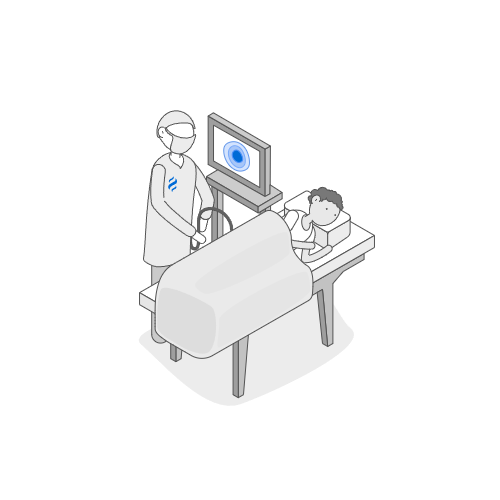
During a colonoscopy, a sedated patient lies on their side while a gastroenterologist inserts a thin, flexible tube (colonoscope) into the rectum. The colonoscope has a small camera that transmits images to a monitor, allowing the doctor to examine the colon for abnormalities. If polyps or suspicious tissue are found, they can be removed or biopsied. The process generally takes less than an hour, and patients recover briefly before going home.