


Benefits of Flexible Sigmoidoscopy for Colorectal Health
Blog
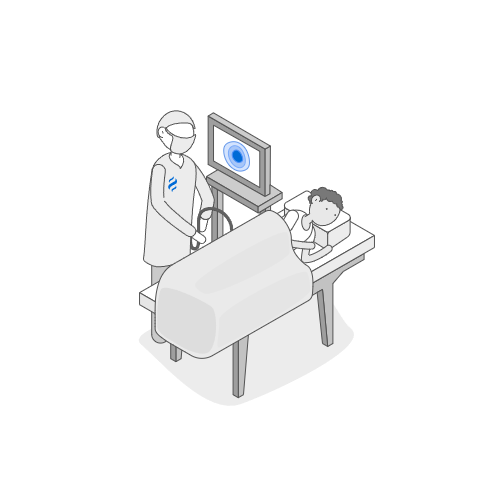
When it comes to protecting your digestive health, early screening is one of the most powerful tools available, including flexible sigmoidoscopy. While colonoscopy remains the gold standard and preferred test for colorectal cancer screening, flexible sigmoidoscopy is a lesser-known but highly valuable option for certain patients.
It offers a less invasive and faster alternative to a colonoscopy, while still allowing your doctor to detect signs of colorectal disease. At NYGA, our expert gastroenterologists perform this procedure as part of a personalized approach to colorectal health.
Preparing for a Flexible Sigmoidoscopy
One reason patients prefer flexible sigmoidoscopy is that it requires simpler preparation compared to a colonoscopy. Instead of a full bowel prep, most patients only need to adhere to a clear liquid diet for a short duration and use an enema the night before or morning of the exam to cleanse the lower part of the colon. You won't need to consume a large volume of prep solution or fast for an extended time, which makes the entire experience more manageable and less intimidating.
Your NYGA provider will give you detailed instructions ahead of your appointment, so you feel confident and prepared. It’s also important to inform your doctor of any medications or health conditions that could affect the procedure.
Why Is Flexible Sigmoidoscopy Important for Colorectal Health?
Flexible sigmoidoscopy allows your gastroenterologist to examine the lower third of your colon, specifically the rectum and sigmoid colon, where many polyps and colorectal cancers often develop. By identifying abnormalities such as inflammation, precancerous growths, or early signs of cancer, this test can serve a crucial role in prevention and early diagnosis.
In addition to cancer screening, flexible sigmoidoscopy can be used to evaluate symptoms like rectal bleeding, changes in bowel habits, or unexplained abdominal discomfort. It’s a versatile diagnostic tool that requires minimal recovery and is typically done without sedation.
Screening Benefits for People Over 45
For individuals over age 45, or younger if there’s a family history of colorectal cancer, screening with flexible sigmoidoscopy may be recommended every five years. It’s an effective, lower-cost alternative to colonoscopy for people at average risk who are unable or unwilling to undergo a complete colonoscopy.
Research indicates that regular flexible sigmoidoscopy screening can lower the risk of colorectal cancer and related deaths by detecting and removing polyps before they develop into cancer. Additionally, it serves as a valuable option for follow-up in patients with certain inflammatory bowel diseases, such as ulcerative colitis.
Who Should Get a Flexible Sigmoidoscopy?
Flexible sigmoidoscopy may be appropriate for:
- People aged 45 and over should be part of a colorectal cancer screening strategy.
- Patients experiencing rectal bleeding, chronic diarrhea, or unexplained changes in bowel habits.
- Individuals with a history of polyps or inflammatory bowel disease who require periodic monitoring.
- Patients who need evaluation of symptoms but want to avoid full sedation or extensive prep.
Your NYGA provider will help determine whether flexible sigmoidoscopy is the right choice based on your personal risk factors and health history.
What to Expect During the Procedure
A flexible sigmoidoscopy is a short procedure that typically takes less than 20 minutes. You’ll lie on your side while your doctor gently inserts a thin, flexible tube with a camera into the rectum and lower colon. The camera transmits real-time images, enabling your doctor to detect inflammation, polyps, or other abnormalities.
Since the procedure only examines the lower part of the colon, it doesn’t always require sedation, but it can be given if that is preferred. If sedation is not used, there are no restrictions for driving or working after the procedure.
Is the procedure painful?
Most patients find the procedure only mildly uncomfortable, describing a sensation of pressure or cramping similar to gas. With no sedation needed, recovery is quick, and there’s no lingering grogginess or downtime.
How long does it take?
usually takes about 10 to 20 minutes. Including check-in and post-procedure discussion, you can expect to spend around 30 to 45 minutes at your appointment. Your doctor will review the results with you right away or schedule a follow-up if biopsies were taken.
Flexible sigmoidoscopy is a powerful yet straightforward tool for maintaining colorectal health, particularly for patients seeking a quicker and lower-preparation screening option. If you're due for screening or are experiencing concerning digestive symptoms, NYGA’s team of expert gastroenterologists can guide you toward the proper care.
Don’t wait—prioritize your health today.
Frequently Asked Questions
What is a flexible sigmoidoscopy?
A flexible sigmoidoscopy is a diagnostic procedure that utilizes a thin, flexible tube equipped with a
light and camera to inspect the lower portion of your colon (the rectum and sigmoid colon). This
procedure assists in diagnosing the causes of rectal bleeding, abdominal pain, and alterations in
bowel habits.
Can a flexible sigmoidoscopy detect cancer?
Yes. While it doesn’t view the entire colon, a flexible sigmoidoscopy can detect cancer and
precancerous polyps in the lower colon. If anything abnormal is found, your provider may recommend
a complete colonoscopy for a more comprehensive evaluation.
How painful is a flexible sigmoidoscopy without sedation?
It can be done with sedation if a patient prefers, but most patients tolerate the procedure well without
requiring sedation. You may experience some pressure, cramping, or gas during the exam, but the
discomfort is typically brief and mild. Because there’s no sedation, you can return to your regular
routine right after the procedure.
Can I eat before a flexible sigmoidoscopy?
You’ll need to follow a specific diet before your procedure. Typically, this includes clear liquids the day
before and nothing by mouth for a few hours before the exam. Your NYGA provider will give you
detailed instructions based on your appointment time.
Do you need a bowel prep for a sigmoidoscopy?
Yes, but it’s usually simpler than a complete colonoscopy prep. Most patients are instructed to use an
enema the morning of the procedure to clear the lower colon. Your provider will explain precisely what
to do to ensure the best possible results.
Why would you have a sigmoidoscopy instead of a colonoscopy?
A sigmoidoscopy is less invasive, does not always require sedation, and has a shorter preparation
time. It is often recommended for evaluating specific symptoms such as hemorrhoids or for routine
screening when full visualization of the colon is not necessary. Your gastroenterologist will assist in
determining which test is best for you.