


Ulcerative Colitis
Conditions
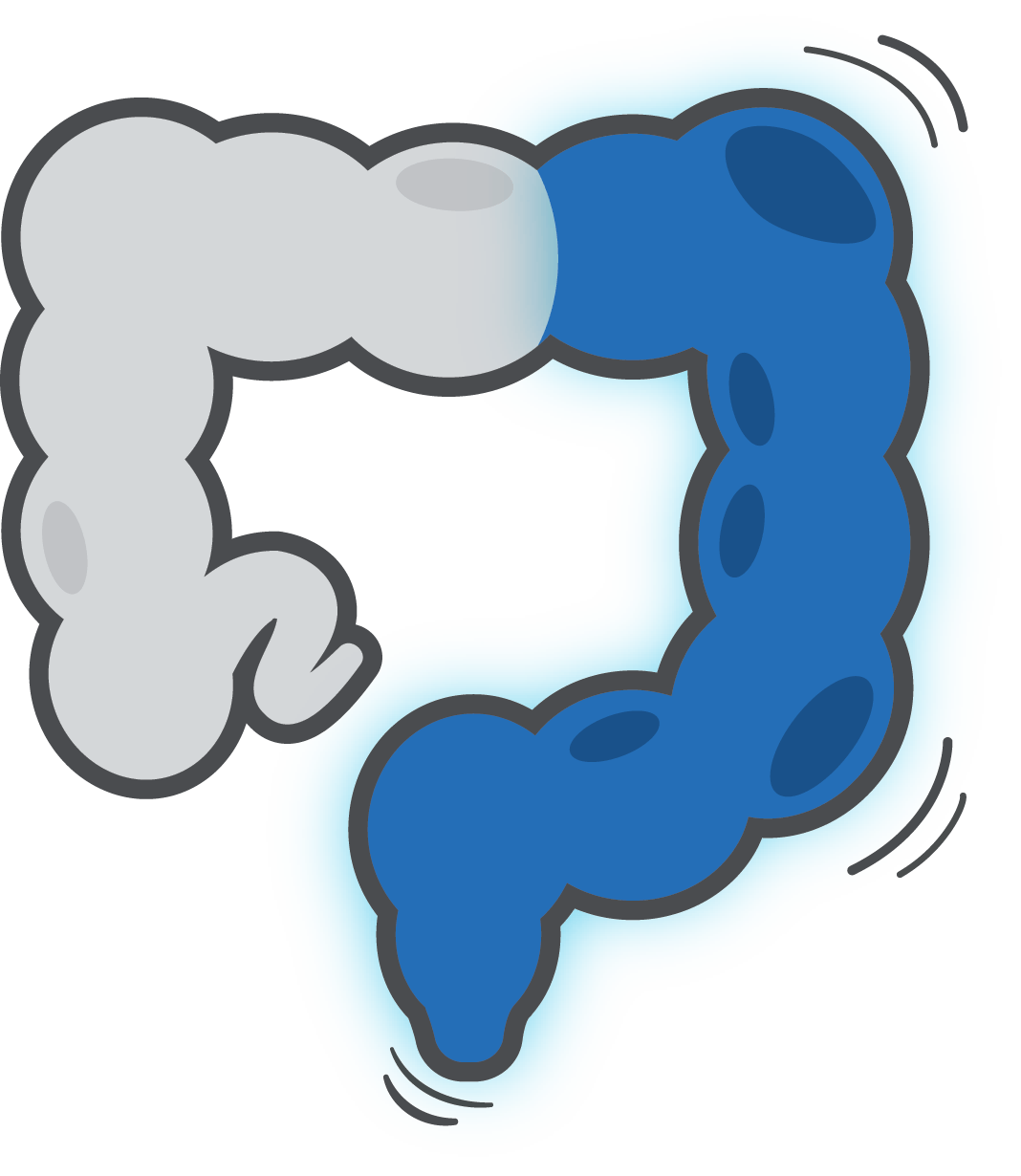
Ulcerative Colitis is a type of inflammatory bowel diseases (IBD) where the large intestine or colon becomes inflammed. This condition can lead to discomfort, digestive issues, and, in some cases, more serious complications.
Symptoms of ulcerative colitis may differ depending on the severity and location and extent of inflammation, but common signs include:
- Frequent diarrhea, often with blood or pus
- Abdominal pain and cramping
- Urgency to have bowel movements
- Fatigue and dehydration
- Weight loss and loss of appetite
In some cases, patients may also experience joint pain, skin issues, and eye inflammation as part of the broader effects of ulcerative colitis.
To diagnose ulcerative colitis, healthcare providers may use blood tests to detect anemia or infection, stool tests to rule out bacterial or parasitic triggers and check for inflammation, and imaging tests such as CT scans, MRIs, or intestinal ultrasounds to evaluate the colon. A colonoscopy or sigmoidosscopy is crucial to assess inflammation and provide further direct insights.
Ulcerative colitis is a chronic IBD that specifically affects the lining of the colon and rectum. It causes ulcers and inflammation in the digestive tract, causing discomfort and digestive issues. Unlike Crohn’s disease, which can affect any part of the gastrointestinal (GI) tract, ulcerative colitis is limited to the colon. The condition typically develops over time and can have periods of remission and flare-ups, requiring long-term management.
At NYGA, treatment for ulcerative colitis is tailored to the underlying cause and focuses on reducing inflammation and managing symptoms through a range of options. These may include anti-inflammatory drugs, corticosteroids, and immunosuppressants, as well as dietary and lifestyle adjustments to promote digestive health.
In more severe cases, surgery may be necessary to remove damaged portions of the colon, and supportive care like hydration and nutrition is essential during flare-ups. With ongoing medical management, we can help patients improve their quality of life and prevent complications.