


Fatty Liver Disease (MASLD)
Conditions
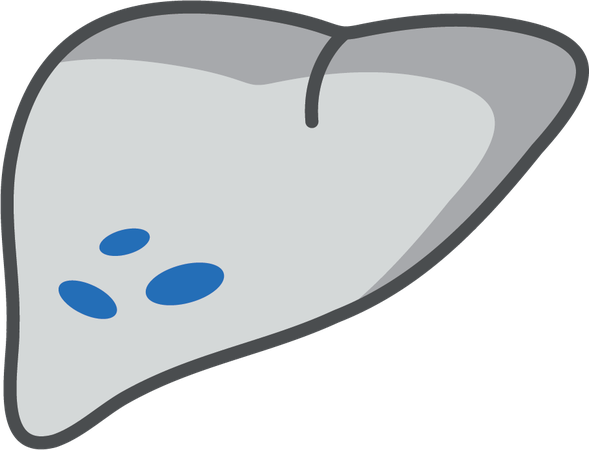
Metabolic dysfunction-associated steatotic liver disease (MASLD), also known as nonalcoholic fatty liver disease (NAFLD), is one of the most common liver conditions in the United States. MASLD occurs when fat builds up in the liver and is associated with metabolic risk factors rather than significant alcohol use. Over time, this fat accumulation can lead to inflammation, scarring, and reduced liver function.
Fatty liver disease is often called a "silent" condition because symptoms may not appear until the disease has advanced.
Why early MASLD often has no symptoms
In its early stages, MASLD typically causes no noticeable symptoms. Many patients learn they have fatty liver disease after routine blood work or imaging performed for another reason.
Signs the disease may be progressing
As liver damage increases, symptoms may include fatigue, weakness, abdominal pain, unexplained weight loss, or a feeling of fullness in the upper right abdomen. In more advanced cases, patients may develop signs of liver cirrhosis, such as abdominal swelling, jaundice, or fluid retention.
MASLD develops when the liver stores more fat than it can efficiently process and remove.
Why fat builds up in the liver
Excess fat can accumulate when the body has difficulty processing sugars and fats effectively. Insulin resistance, metabolic dysfunction, and excess calorie intake are common contributors to liver fat accumulation.
Risk factors for MASLD
Several factors increase the risk of developing fatty liver disease, including obesity, type 2 diabetes, high cholesterol, high triglycerides, metabolic syndrome, and a sedentary lifestyle. Individuals with these conditions should consider regular hepatology evaluations.
Blood tests and imaging
Blood tests can detect elevated liver enzymes, which may indicate inflammation or liver injury. Imaging studies such as ultrasound, CT, or MRI may be used to detect fat accumulation in the liver.
Liver elastography
NYGA offers liver elastography, an advanced, non-invasive imaging test that measures liver stiffness and helps assess fibrosis or scarring. This technology provides valuable information about disease severity without invasive procedures and plays an important role in monitoring liver health over time.
We recommend speaking with your doctor to screen for fatty liver if you have one or more of the following conditions
- Type 2 Diabetes or Prediabetes (who have the highest risk)
- Obesity especially those with central adiposity
- High blood pressure
- High cholesterol (high triglycerides or low HDL cholesterol)
- Other metabolic conditions: Metabolic syndrome, Polyendocrine metabolic ovarian syndrome (PMOS- previously called PCOS- polycystic ovarian syndrome), obstructive sleep apnea, or chronic kidney disease
Lifestyle and nutrition changes
Lifestyle modification remains the cornerstone of treatment. Weight loss, regular exercise, and dietary improvements can significantly reduce liver fat and inflammation. NYGA's providers also offer nutrition counseling to help patients develop sustainable eating habits that support liver health.
Medical treatment and monitoring
While no single medication treats all cases of MASLD, your physician may recommend therapies to manage associated conditions such as diabetes, high cholesterol, or obesity. Regular monitoring helps track liver health and identify disease progression.
In many cases, early-stage MASLD can be improved and, in some cases, reversed through weight loss, dietary changes, increased physical activity, and management of underlying metabolic conditions. The earlier treatment begins, the better the opportunity to reduce liver fat and prevent long-term complications.
At NYGA, our hepatologists provide comprehensive evaluation, advanced diagnostic testing, and personalized treatment plans for patients with fatty liver disease. Whether you're newly diagnosed or seeking ongoing liver care, our physicians are here to help.
Schedule an appointment today to take control of your liver health and reduce your risk of future complications.
Frequently Asked Questions
What is fatty liver disease (MASLD)?
MASLD is a condition in which excess fat accumulates in the liver due to metabolic factors such as obesity, diabetes, or insulin resistance. Over time, it can lead to inflammation and liver damage if left untreated.
Is MASLD the same as NAFLD?
Yes. MASLD is the updated name for what was previously called non-alcoholic fatty liver disease (NAFLD). The new terminology better reflects the metabolic factors that contribute to the condition.
What are the symptoms of fatty liver disease?
Many people have no symptoms in the early stages. As the disease progresses, symptoms may include fatigue, abdominal pain, weakness, and, in advanced cases, signs of liver dysfunction.
Why does fatty liver disease often go undetected?
MASLD often causes no noticeable symptoms until significant liver damage has occurred. Many cases are discovered during routine blood tests or imaging studies performed for other reasons.
How is fatty liver disease diagnosed?
Diagnosis typically involves blood tests, imaging studies, and liver health assessments. NYGA also offers liver elastography to evaluate liver stiffness and detect fibrosis.
How is fatty liver disease treated?
Treatment focuses on reducing liver fat, improving metabolic health, and preventing disease progression. This often includes weight loss, dietary changes, exercise, and management of related medical conditions.
Can lifestyle changes help fatty liver disease?
Yes. Weight loss, healthy eating habits, regular exercise, and controlling diabetes or cholesterol can significantly improve liver health and may even reverse early-stage disease.
What is the goal of fatty liver disease treatment?
The goal is to reduce liver fat, prevent inflammation and scarring, improve liver function, and lower the risk of developing advanced liver disease.
Is fatty liver disease caused by drinking alcohol?
MASLD is not caused by significant alcohol consumption. It is primarily associated with metabolic factors such as obesity, insulin resistance, and type 2 diabetes.